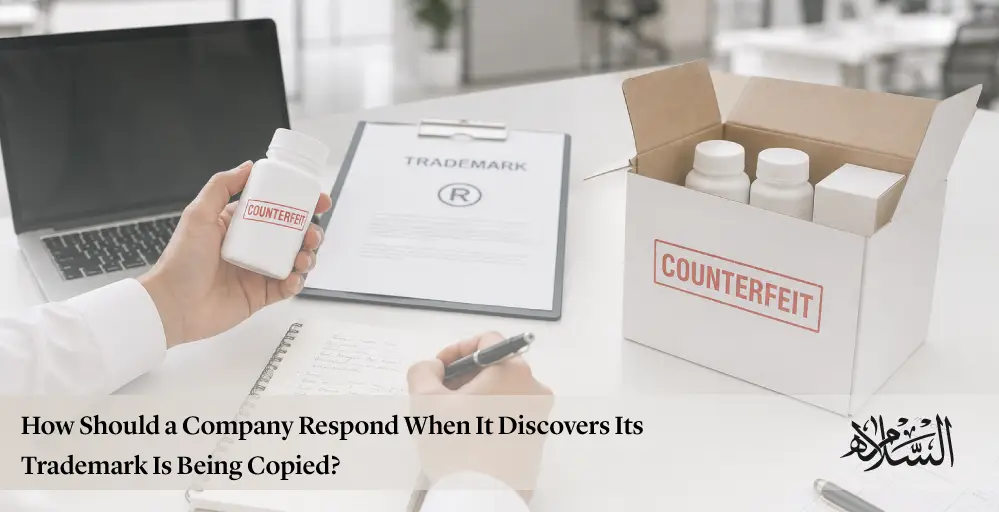
How Should a Company Respond When It Discovers Its Trademark Is Being Copied?
The first decision can determine the strength of the entire case.
When a company discovers a counterfeit product bearing a name similar to its trademark, a store operating under a similar name, or an advertisement that suggests a connection between the company and another party, the natural response may be to send an immediate legal notice.
But in trademark disputes, acting quickly is not always the same as acting correctly.
In some cases, a legal notice can be important. It establishes that the infringer has been informed of the trademark owner’s rights, demands that the use stop, and may require the withdrawal of products or removal of advertisements. Continued use after that notice may then be viewed differently by the competent authorities or the court.
In other cases, however, a notice may be insufficient or even counterproductive if it reveals the evidence, shows the other party how the infringement was detected, or gives them time to conceal products or change the way they sell them.
For that reason, the first question after discovering an infringement should not be:
How should the notice be drafted?
The more important question is:
What action will best preserve the strength of the case?
Trademark disputes are not limited to whether two names are literally identical. The effect of the use in the market also matters: Is the trademark registered? Has another party used an identical or similar mark? Is that use connected to the same products or a related activity? And could the overall impression cause an ordinary consumer to confuse the two or assume a connection between them?
A notice may therefore be important because it establishes when the other party became aware of the trademark owner’s position. But it may not always be the appropriate first step if sending it would give the infringer an opportunity to conceal products or change the manner in which they are sold.
In cases involving counterfeit products, the priority may be to document the product sample, invoice, place of display, sales channels, distribution channels, and the identity of the store or supplier. Simply asking the infringer to “remove the trademark” may not be enough. It may be more important to stop the sale, display and distribution of the products and identify the infringing goods before they disappear from the market.
For restaurants, stores and service businesses, there may be no physical product to seize or inspect. The potentially infringing use may instead appear on storefront signage, social media accounts, delivery applications, Google Maps, advertisements or promotional materials. In those cases, the action taken should address all relevant forms of use rather than the name alone.
There are also cases where the other party may already have prior knowledge of the trademark. This can arise, for example, where there was a previous commercial relationship with the trademark owner or where a party had previously dealt with the trademark and continued using it after that relationship ended. In such circumstances, formal notice can become particularly important because it does more than demand that the use stop; it establishes that the continued use occurred after explicit notice.
A Common Mistake Is Treating Every Legal Notice as a Standard Template
A notice involving a counterfeit product is not the same as a notice sent to a restaurant using a similar name. It is also different from a case involving an online store, a former distributor, or circumstances that may justify proceeding directly with a complaint without first allowing additional time.
A trademark is not protected by its registration certificate alone.
Protection also depends on how the infringement is managed from the moment it is discovered: How was it documented? Who was contacted? What was demanded? Was the evidence disclosed or preserved? And was the chosen action appropriate for the nature of the infringement?
The first step taken after discovering an infringement can therefore strengthen the case—or weaken it.
A company that takes trademark infringement seriously does not begin by asking:
Who should draft the notice?
It begins by asking:
What course of action will stop the infringement, preserve the evidence, and prepare the file for a complaint or legal proceedings if necessary?
Frequently Asked Questions
What is the biggest mistake companies make immediately after discovering a counterfeit product bearing their trademark?
The biggest mistake is sending a legal notice to the infringer before documenting the evidence of infringement. Doing so may give the infringer time to conceal counterfeit products, move the goods, or modify online sales channels, potentially leaving a later complaint or court action without the physical evidence on which it would otherwise rely.
When can a legal notice be particularly useful to a trademark owner?
A legal notice can be particularly useful once the relevant evidence has been secured and documented. Its importance lies in formally establishing when the infringer became aware of the trademark owner’s rights. Continued sale or display after that point may then be treated differently from use that occurred before formal notice.
How does documenting infringement differ between physical products and services or retail businesses?
For physical products, documentation may focus on obtaining a product sample, securing the invoice, recording where the products are stored or displayed, and identifying supply channels and the principal supplier.
For services and retail businesses, including restaurants and applications, documentation may focus on preserving both the physical and digital evidence of use, including storefront signage, Google Maps listings, social media accounts, delivery applications and commercial advertisements.
How should a former distributor or business partner who continues using the trademark after the agreement ends be handled?
The matter may require a direct formal notice terminating any continuing right to use the trademark and specifying a period for withdrawing relevant materials. The legal position will also depend on the terms of the previous agreement, including any provisions governing the use of the trademark, post-termination obligations, competition restrictions or other relevant contractual duties.
What are the key steps when preparing a trademark infringement file before filing a complaint or claim?
- Make a documented purchase of the product and retain an official invoice identifying the relevant store or company.
- Record all physical and online sales and distribution channels.
- Compare the allegedly infringing use and its overall impression against the company’s registered trademark rights.
- Assess whether the circumstances justify proceeding directly with a complaint or enforcement action, or whether a legal notice demanding that the infringement stop should first be sent.